
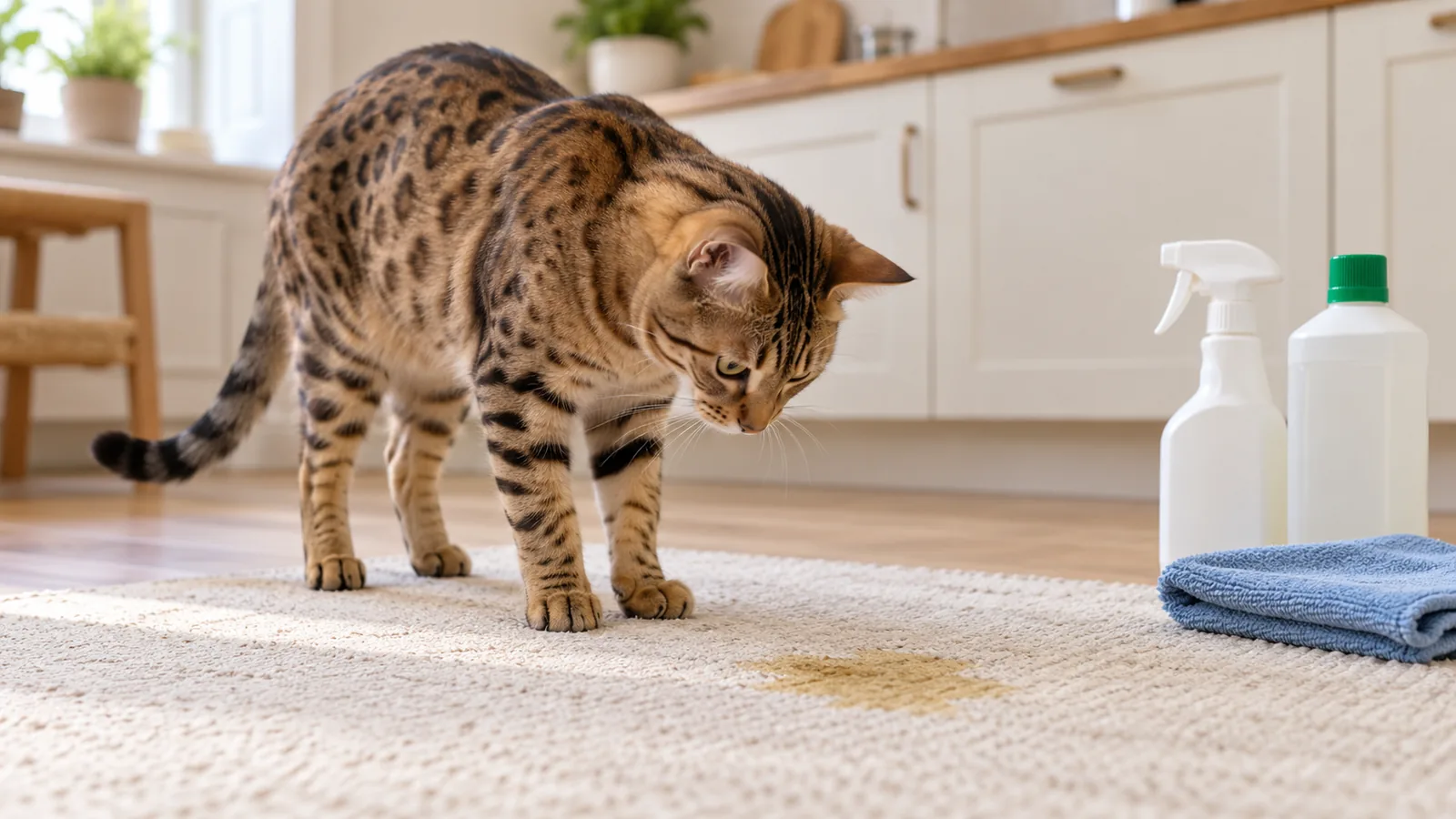
When your dog or cat keeps vomiting, you want to know why, and what it will take to make it stop. Is it something they're eating? A problem with their stomach or intestines? Or could an underlying illness be to blame? With so many possible causes, figuring out what's wrong isn't always straightforward. The good news is that we don't have to run every test at once to start finding answers. Each step helps us narrow down the possibilities and decide what, if anything, needs to be checked next. The goal is to get useful answers without putting your pet through unnecessary tests or adding expenses that may not be needed.
At Willow Wood Animal Hospital in New Albany, we take a thoughtful, individualized approach to investigating ongoing vomiting. As an AAHA-accredited hospital, we focus on clear communication and helping you understand what each test looks for, what the results mean, and why we might recommend additional testing. Our wellness plans can also help make routine veterinary care more predictable. If your dog or cat has been vomiting repeatedly, schedule an appointment so we can start figuring out what's going on.
Vomiting That Keeps Coming Back: The Short Version
- Chronic vomiting means episodes that keep coming back over weeks or months, not one bad night that resolves on its own.
- Vomiting paired with weight loss, appetite changes, or on-and-off diarrhea usually has a cause that no single medication will fix.
- The workup moves in rounds: baseline labs and X-rays first, then a structured food trial, then ultrasound and biopsy if the picture is still unclear.
- Food, fast eating, and household stress drive more chronic vomiting than families expect, and none of the three show up on a blood panel.
When Should I Worry About My Pet Throwing Up?
Vomiting that matters usually follows a pattern: more than once or twice a month, lasting longer than two or three weeks, or arriving alongside weight loss and appetite changes. One rough afternoon after a garbage raid is usually just that.
What Can the Color and Texture of Vomit Tell Me?
The color and texture of vomit each narrow the list. Yellow or green liquid usually means bile in an empty stomach, a tube of undigested food within an hour of eating points to regurgitation rather than vomiting, and material that looks like coffee grounds is digested blood. Bright red blood is a call-now sign. Foamy white liquid usually means an empty, irritated stomach, often first thing in the morning.
Write down the time of day, how soon after a meal it happened, and how often. Photos help, because we're reading a pattern, not a single episode.
What Can the Timing of Each Episode Tell Us?
| When it happens | What it can point to |
| Early morning or overnight, on an empty stomach | Yellow bile from a stomach that has sat empty too long. |
| Minutes after eating, with no heaving | Eating too fast, or regurgitation instead of vomiting, which points to the esophagus. |
| Alongside more drinking and urinating | Kidney disease or another illness outside the gut. |
| Alongside weight loss or on-and-off diarrhea | Disease in the intestines themselves. |
No single pattern is a diagnosis, but a week or two of notes tells us which tests to run first.
Is It Time to Make an Appointment?
Any episode that arrives with weight loss, more drinking and urinating, low energy, or loose stool deserves a visit, and in a senior dog or cat, chronic vomiting can be the first visible sign of organ disease. A cat who stops eating for a full day needs to be seen that day, because cats can slide into liver trouble when they go without food. A cat who brings up more than the occasional hairball may have inflammation in the GI tract, or a problem with how it moves food along, rather than a grooming habit.
When Is Vomiting an Emergency?
Some vomiting needs a phone call today instead of an appointment next week.
- Retching with nothing coming up: repeated heaving that produces nothing, which in dogs can mean a twisted stomach.
- A swollen or painful belly: the abdomen looks bigger than usual, or your pet flinches at a touch.
- Nothing staying down: water coming back up within minutes.
- Visible blood: bright red streaks, or coffee-ground material in more than one episode.
- Collapse or weakness: a pet who can't be coaxed to their feet, or gums that look pale or feel tacky instead of pink and slick.
- The very young and the very old: a puppy, kitten, or senior who is vomiting and also has diarrhea or refuses water dehydrates quickly.
Do not induce vomiting at home, and never give human anti-nausea or pain medications: either one can turn a partial blockage or an ulcer into a worse problem. We can often fit in urgent and same-day visits Monday through Friday, so call as soon as you see any of these. If the vomiting starts overnight or on a weekend, New Albany families should head to a 24-hour emergency hospital in the Columbus area.
What Tests Come First When a Pet Keeps Vomiting?
The first visit is a history and a hands-on exam, and the baseline round after it covers the most ground at once: organ function, parasites, and anything physically in the way.
| Test | What it answers |
| Bloodwork | Kidney and liver values, thyroid levels in cats, blood sugar, red and white cell counts, and markers of pancreatitis. |
| Urinalysis | Whether the kidneys are still concentrating urine, and whether protein is leaking where it shouldn't. |
| Stool testing | Intestinal parasites such as Giardia and whipworms, which cause on-and-off symptoms and can hide behind a single clean sample. |
| X-ray, sometimes with barium | Foreign objects, gas patterns that suggest a blockage, organ size, and whether the stomach is emptying. Barium, a liquid your pet swallows, outlines the GI tract on the images. |
| Abdominal ultrasound | Usually the next step rather than a first one: a layer-by-layer look at the intestinal wall, pancreas, lymph nodes, and liver that flat images can't provide. |
Bloodwork from past adult wellness plan visits makes this round easier to read, because a kidney number that was low-normal two years ago and is high-normal today is a trend worth chasing.
Why Hasn't the Vomiting Stopped on Its Own?
Chronic vomiting keeps going because something is still driving it: food, disease in another organ, disease in the GI tract itself, or the way your pet eats and lives. A normal first round isn't a wasted visit, and our veterinarians use it to decide which test makes sense next.
Could the Food or Something They Swallowed Be the Cause?
- The food in the bowl: Choosing the right food is where many chronic cases start, and rotating through four or five bags when a pet vomits makes it nearly impossible to tell which ingredient is the problem. A true food allergy is an immune response to an ingredient, typically a protein source. A food intolerance is just a digestive reaction to an ingredient, with no immune response involved. Either way, a diet trial is needed to find the cause. Before your visit, write down everything your pet eats for a week, treats and chews included.
- Things they pick up outside or in your home: Eating what they shouldn't, known as dietary indiscretion, covers the kitchen trash, toy parts, dirty laundry, a chicken bone on the sidewalk, and waterfowl droppings from your walk along Rose Run. Anything that can cause stomach irritation or doesn’t digest applies here. A partial GI obstruction from a strip of fabric or a small toy still lets some food and fluid through, so the result is weeks of on-and-off vomiting rather than the dramatic emergency most people picture.
Could Another Organ Be Driving It?
Several conditions outside the GI tract make a pet nauseated, and quieting the nausea won't help for long while the disease underneath goes untreated.
| Condition | What shows up alongside the vomiting |
| Chronic kidney disease | Nausea and vomiting as waste products build up in the bloodstream, sometimes before anyone notices the extra trips to the water bowl. |
| Liver and gall bladder disease | Yellowing of the gums or eyes, a poor appetite, and discomfort in the upper abdomen. |
| Hyperthyroidism in cats | A big appetite with steady weight loss, a louder voice at odd hours, and a cat who seems wired. |
| Pancreatitis | A hunched posture, skipped meals, and waves of vomiting that often follow a rich meal. |
| Addison's disease | Mostly in dogs: vomiting, a poor appetite, and low energy that come and go for months, often flaring after stress. |
A severe pancreatitis flare, or an Addisonian crisis in which a dog suddenly becomes weak or collapses, is an emergency.
Which GI Diseases Keep a Pet Vomiting?
A number of diseases in the stomach and intestines can cause vomiting, ranging from easy to manage to more serious issues that need surgery or life-long medication.
- Inflammatory disease: Inflammatory bowel disease, ongoing inflammation in the wall of the stomach or intestines that interferes with normal absorption, is confirmed on tissue rather than inferred from symptoms.
- Cancer: intestinal lymphoma can look nearly identical to IBD on imaging and symptoms, especially in cats, so tissue is what separates the two. Gastric cancer is less common and usually turns up in older pets who are also losing weight.
- Ulcers: gastric ulcers cause vomiting that contains digested blood, and they sometimes follow long courses of certain medications or a serious illness.
- Parasites: roundworms, hookworms, whipworms, and Giardia can irritate the gut enough to cause on-and-off vomiting, with or without diarrhea. Puppies, kittens, and pets who hunt pick them up most often, and year-round parasite prevention covers the most common worms.
- Timing and outlet problems: in bilious vomiting syndrome, a dog whose stomach sits empty overnight vomits yellow bile in the early morning, and a snack at bedtime often stops it. Pyloric stenosis is a narrowed stomach outlet that holds food back, seen more in young dogs and in flat-faced breeds.
What If the Food Comes Back Up Right Away?
Gulping is a common reason a dog or cat empties the bowl in seconds and returns dinner almost untouched. Puzzle feeders slow a meal down by making a pet work each bite out of a compartment, which is often all it takes for food to stay down. Fast eating shows up most in multi-pet homes and in pets who once competed for a bowl, so separate feeding spots and smaller, more frequent portions often settle it without medication.
Can Stress Upset a Dog or Cat's Stomach?
Stress is a real driver of GI symptoms, particularly in cats, and a cat under steady household tension can vomit for a month with normal labs. A move, a new baby, a schedule change, or long-running friction between two resident cats can be enough.
In dogs the signs of stress and anxiety, such as pacing, hiding, lip licking, and a low tucked posture, tend to appear in the same weeks as the vomiting. In cats the tells are quieter: more time under the bed, a patch of fur overgroomed thin, or a cat who gives up a favorite sleeping spot.
How Does a Food Trial Work, and How Long Does It Take?
A diet trial means eight to twelve weeks on a single novel or hydrolyzed protein with nothing else by mouth, and it's the only reliable way to prove food is the cause. Food allergies and intolerances both improve when the ingredient disappears.
A novel protein is one your pet has had no exposure to, often rabbit or venison, and a hydrolyzed diet chops the protein into pieces so small the immune system doesn't recognize them. Both are prescription diets, and strict means strict, because a single flavored chew or a few bites from a housemate's bowl can undo the whole trial:
- No treats and no table food, from anyone in the house.
- No flavored medications or supplements.
- Separate feeding spots in a multi-pet home.
If that isn't realistic right now, say so, because a loose trial produces an answer nobody can trust.
Will My Pet Need an Endoscopy or a Biopsy?
When baseline testing and a strict diet trial both come back clean, the remaining answers are in the tissue itself. Tissue can be collected two ways, with a scope or in surgery, and which one fits depends on where in the GI tract the trouble seems to sit and what the imaging has already shown.
What Happens During an Endoscopy?
Under anesthesia, a thin flexible camera goes down the throat so the lining of the stomach and upper intestine can be examined and sampled, with no incision and most pets home the same day. What an endoscopy collects is surface tissue from the upper tract, which answers many cases but can miss disease sitting deeper in the wall or farther down the intestine. When a scope is the right next step, we'll help arrange it with a referral hospital and go over the results with you.
Why Would We Recommend Abdominal Surgery Instead?
Exploratory surgery gives a direct look at the abdominal organs and allows full-thickness samples at several points, including the sections of intestine a scope can't reach. It's the right call when imaging has flagged something specific, when a surface sample won't settle the diagnosis, or when a blockage or a mass needs removing regardless of what the biopsy shows. Either procedure means anesthesia, with pre-anesthetic testing and monitoring throughout.
What Do We Learn From the Tissue Samples?
A pathologist reads the tissue under a microscope and names the disease: IBD separates from intestinal lymphoma, other GI cancers get identified, and infection sorts out from inflammation. Treatments for lymphoma and IBD share almost nothing, so a tissue diagnosis means your pet gets the therapy aimed at the real problem instead of a reasonable guess.
What Will My Pet's Treatment Plan Look Like?
Once we know what's driving the vomiting, the plan lands in one of three places: a diet your pet stays on, medication for inflammation inside the GI tract, or treatment aimed at a disease somewhere else in the body. The first rechecks are where doses get adjusted and where we confirm the plan is holding. Anti-nausea medication can keep your pet comfortable along the way, but it isn't a plan by itself. Keep logging episodes and weight once treatment starts, since that record shows whether the plan is working.
- Food-responsive vomiting is the best outcome, and the work is holding the diet that worked, with everyone in the house, holiday guests included, following the same rules about treats and table scraps.
- IBD usually takes an anti-inflammatory or immunosuppressive medication, often prednisone or prednisolone early on, plus a diet chosen to support absorption. Many pets settle onto a low maintenance dose long term, and refills of the medication and the prescription food come through our online pharmacy.
- Systemic disease shifts the focus off the stomach: stabilizing kidney disease, hyperthyroidism, or pancreatitis usually brings real improvement in the vomiting.
What Families Ask After Weeks of Vomiting
How is vomiting different from regurgitation?
Vomiting takes effort: you'll see the abdominal heave, often with drooling or lip licking beforehand, and what comes up is usually partly digested. Regurgitation is passive, with food reappearing in a tube shape within an hour of the meal and no heaving at all. It points to the esophagus rather than the stomach, so the testing that follows looks at swallowing instead of digestion.
Can't I just use a sensitive stomach food instead of a prescription trial?
Over-the-counter sensitive stomach formulas help plenty of pets feel better, and if yours improves on one, that's a win worth keeping. What they can't do is answer a diagnostic question: they're often made on equipment that also runs other proteins, and trace amounts can be enough to keep a reactive pet reacting. A usable answer needs a prescription novel or hydrolyzed protein.
My pet vomits weekly but seems fine otherwise. Does that still need testing?
Weekly vomiting in a dog or cat who is bright, eating well, and holding weight is lower urgency, but it's still a pattern worth an exam. Early kidney disease, hyperthyroidism, and food reactions can look exactly like that for months before anything else changes. A first round of labs either catches something early or tells us what normal looks like for your pet.
What to Do About Weeks of Vomiting
Finding the answer can take time and more than one visit, though many pets get there without reaching the last round of testing. Bring your notes, any recent weights, and the photos you've taken. Our team at Willow Wood Animal Hospital in New Albany will talk you through what each step would tell us, so schedule a visit and we'll start narrowing down what's making your dog or cat sick.